What is the difference between computer vision and machine vision?
Computer vision refers to the ability of computers to simulate the human visual system and analyze, understand, and process images and videos using computer science and image processing techniques. Computer vision focuses on extracting meaningful information from image and video data, such as object recognition, target tracking, and image segmentation. It utilizes computer algorithms and models to process and analyze images, extract features, and make inferences to achieve understanding and interpretation of image content.
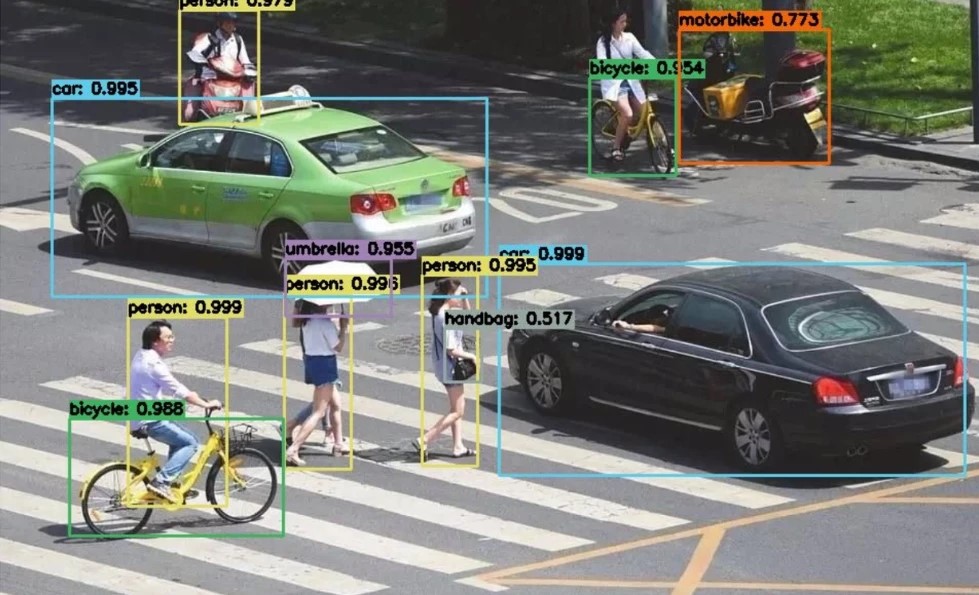
Machine vision is a specific application area of computer vision that focuses on using computer vision technology to detect, measure, and control product quality and production processes in automated manufacturing. Machine vision systems typically consist of cameras, light sources, image processing software, and machine learning algorithms, used to detect and analyze product appearance, dimensions, position, defects, and other aspects. Machine vision systems are widely used in industrial fields, such as product inspection, packaging verification, and object positioning on automated production lines. Currently, the domestic company Huicui Machine Vision Platform stands out in the industry.
I. Differences
(1) Scope:
Computer vision: is a broader concept that encompasses all aspects of understanding and analyzing images and videos;
Machine vision: a specific application area of computer vision, focusing on the detection and control of product quality and production processes in industrial automation.
(2) Objective:
Computer vision aims to enable computers to understand and process images and videos by simulating the human visual system;
The goal of machine vision is to use vision technology to achieve detection and control in automated production processes.
(3) Application areas:
Computer vision is widely used in fields such as image recognition, image segmentation, object tracking, and face recognition.
Machine vision is mainly used in industrial automation for product inspection, size measurement, and position positioning.
II. Contact:
(1) Technological foundation: Both computer vision and machine vision rely on technologies such as computer science, image processing, pattern recognition and machine learning.
(2) Data source: Both process image and video data, and analyze and process them.
(3) Objectives: Both computer vision and machine vision aim to use visual information for analysis and decision-making, but their application areas and focuses are different.
To make it easier to distinguish between the two, the table is used as a table:
In summary, computer vision is a broad research field that focuses on the understanding and processing of images and videos, while machine vision is a specific application area of computer vision that focuses on product inspection and control in industrial automation.